Reading the Room: How Tattoo Artists Are Turning Festival Lineups Into One-of-a-Kind Skin Art
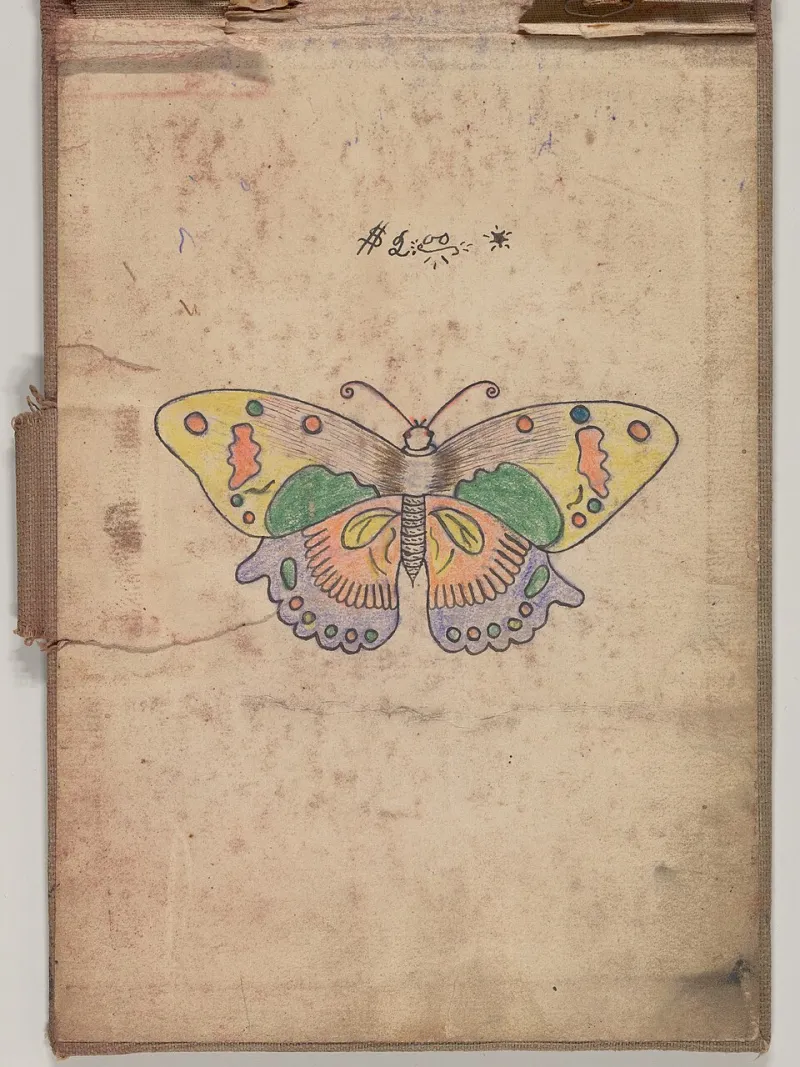
Photo: Creator:Clark & Sellers, CC0, via Wikimedia Commons
There's a particular kind of magic that happens when a crowd of 40,000 people collectively loses their minds during a surprise song drop. The lights shift, the bass hits different, and something in the air becomes almost electric. For most festival-goers, that moment lives in a phone video that'll never quite capture it. But for a growing community of tattoo artists working festival circuits across the US, that moment is the brief.
We're talking about artists who treat the festival lineup the way a method actor treats a script — obsessively, completely, with an eye toward something that goes deeper than surface-level tribute. These aren't people slapping a band logo on your forearm between sets. They're designing limited-edition pieces that are architecturally connected to a specific lineup, a specific night, a specific sonic experience.
The Pre-Festival Deep Dive
Before a single needle touches skin, artists like Denver-based Mara Solís spend weeks in what she calls her "research spiral." Leading up to a major festival run, she pulls recent setlists from setlist.fm, watches live footage from the current tour cycle, and tracks which visual motifs a headlining act is leaning into for a particular album era.
"If a band has been opening every show with a specific track and closing with another, that arc tells me something," Solís explains. "It's almost like a story with a beginning and an end. I want the tattoo I design to reflect that emotional journey, not just slap their logo on someone."
She's not alone in this approach. Across the festival tattoo circuit — from Bonnaroo in Tennessee to Forecastle in Louisville to the massive summer runs in Chicago and New York — artists are increasingly treating lineup announcements like creative briefs. The moment a festival drops its artist roster, some tattoo professionals are already sketching.
Flash That Only Exists Here
The concept of festival-exclusive flash isn't entirely new, but the intentionality behind it has sharpened considerably in recent years. Where once you might find a generic skull-with-headphones design plastered at a pop-up booth, today's festival tattoo artists are building cohesive collections that respond directly to who's on the bill.
Philadelphia-based artist Jerome "Romy" Castillo created a 12-piece flash sheet for a regional indie festival last summer that was entirely inspired by the headliners' most recent album cycle. Each design pulled from different tracks — a moth from one song's lyrical imagery, a crescent moon that appeared on the album's gatefold art, a hand-lettered phrase from a bridge that had been making crowds cry all tour long.
"I sold out of the moth design by noon on Saturday," Castillo says, still sounding a little stunned. "People would come up and say, 'How did you know that was the song?' And I'd just say — I did my homework."
The exclusivity factor matters enormously to this audience. Festival-goers aren't just buying a tattoo; they're buying proof of presence. The piece functions almost like a ticket stub that lives on your body permanently. Knowing that a design was only available during a specific festival weekend, built around a specific lineup, adds a layer of meaning that a walk-in appointment simply can't replicate.
Real-Time Adjustments: When the Music Changes the Design
Here's where it gets genuinely fascinating. Some artists have started incorporating real-time responsiveness into their process — meaning what happens on stage during the festival weekend can actually influence the work being done at the tattoo booth.
Solís describes a moment at a festival two years ago when a headliner — she keeps the name vague for professional reasons — unexpectedly debuted a new song mid-set. The crowd reaction was seismic. By the next morning, she had sketched a new design inspired by what she'd witnessed and was offering it alongside her pre-planned flash.
"That song hadn't been released yet. Nobody outside that field had heard it. The people who got that tattoo the next day have something that is genuinely tied to a moment that barely exists in the public record," she says. "That's wild to me. That's what I'm chasing."
This kind of reactive design requires an artist who is as plugged into the festival experience as any attendee — someone who's watching sets, feeling the crowd energy, and processing it all through a creative lens simultaneously. It's a different skill set than the precision-focused studio environment. Festival tattooing, at this level, is almost a form of live performance in itself.
The Crowd as Co-Designer
Castillo puts it another way: "The crowd tells you what's landing. If you're paying attention, they're basically designing with you."
He points to the way certain songs become unexpected anthems during a festival weekend — tracks that weren't necessarily the singles but that the audience latches onto in a way that becomes its own cultural moment. When that happens, the demand for imagery connected to that song spikes almost immediately.
This feedback loop between live performance and body art is one of the most genuinely exciting developments in the festival tattoo space right now. It collapses the distance between artist and audience, between the stage and the booth, between the music and the ink.
Why This Matters Beyond the Booth
It's worth zooming out for a second to ask why this trend is gaining traction specifically now. Part of the answer is practical: the festival tattoo booth has become a legitimized, highly competitive space, and artists are differentiating themselves through conceptual depth rather than just technical skill.
But there's something cultural happening here too. In an era when music consumption is almost entirely digital and ephemeral — streaming algorithms, playlist shuffles, content that disappears in 24 hours — the festival experience has become one of the last truly irreplaceable, unarchivable moments in music culture. You had to be there. And the tattoo, designed specifically around that lineup, that weekend, that crowd, becomes the most permanent possible testament to that irreplaceability.
For the artists doing this work, it's not just a gig. It's a form of music journalism written in pigment.
"I'm documenting something," Solís says simply. "Fifty years from now, someone's going to look at that tattoo and know exactly where they were and what was playing. That's not nothing. That's actually everything."


