The $12,000 Sleeve: A Real-World Budget for Festival Tattoo Collecting
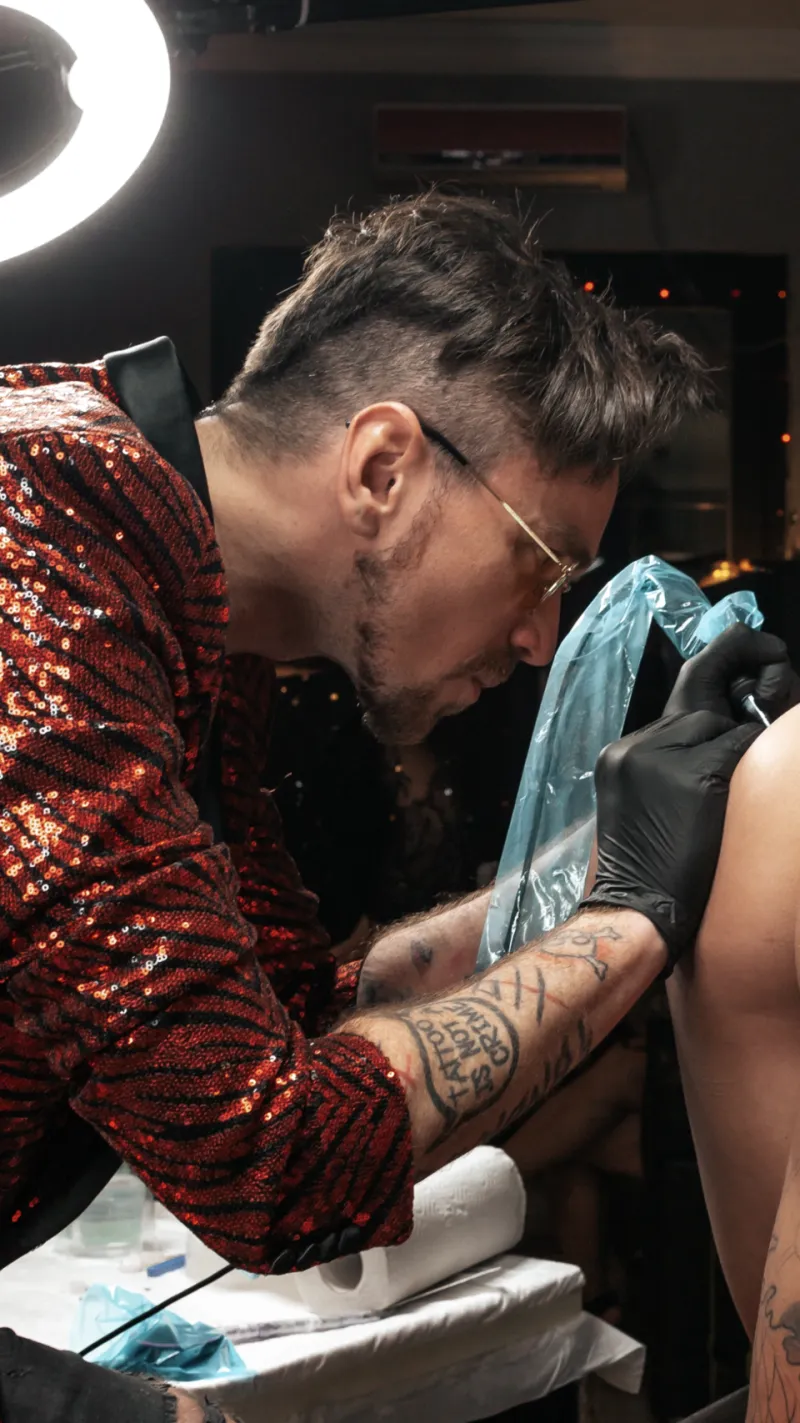
Photo: XuXuXuXuXuXuXuXuXuXu, CC BY-SA 4.0, via Wikimedia Commons
A festival sleeve looks spontaneous. A flash piece here, a guest artist there, a band logo you swore you’d never regret. But the money story is not spontaneous at all. It is a slow, sprawling budget with a lot of hidden line items—and the tattoo price on the shop’s Instagram post is only the first one.
“People budget for the tattoo and forget everything that gets them to the chair,” says Dante Cruz, a tattoo artist in Portland who has worked festival booths and guest spots across the West Coast. “Travel, hotel, food, time off, tip. That’s the real number.”
So let’s talk real numbers. These are 2026 estimates based on conversations with collectors and artists, not a single national price list. Tattoo pricing varies wildly by city, artist demand, size, and style. But the shape of the spending is pretty consistent.
The sticker price is the opening act
A same-day festival flash tattoo might run $150 to $400 before tip. A custom piece from a sought-after artist can run $200 to $400 an hour, and a full sleeve can take 15 to 30 hours—sometimes more. That puts a full sleeve at roughly $4,500 to $12,000 in chair time alone. Add a 15 to 20 percent tip, which is standard in many US shops, and you’re looking at another $700 to $2,400 on a large project.
“The tip is not optional math,” says Marisol R., a 34-year-old collector in Chicago who has built a half sleeve across four festivals and two local shops. “If I can’t tip well, I wait. I don’t want to be the person who makes the artist resent the piece.”
A realistic budget for a festival sleeve
Here’s a rough breakdown for a collector building a full sleeve over two to three years, mostly through festival flash, guest spots, and local sessions.
| Line item | Low estimate | High estimate |
|---|---|---|
| First festival flash piece | $150 | $400 |
| Artist tip on flash | $30 | $80 |
| Custom session hours | $4,500 | $9,000 |
| Tips on custom work | $700 | $1,800 |
| Travel and hotel for 4 festivals | $1,200 | $4,800 |
| Food and festival incidentals | $300 | $900 |
| Touch-ups | $0 | $600 |
| Cover-up or rework | $0 | $2,500 |
| Removal consultation | $0 | $150 |
| Time off work | $0 | $1,200 |
| Rough total | $6,880 | $21,430 |
That’s why a $12,000 sleeve is not an outrageous headline. It’s a middle-of-the-road outcome for someone who travels, tips well, needs a touch-up, and takes a couple of unpaid days off.
Where the money actually goes
Travel is the sneaky one. A $250 flash tattoo at a festival 800 miles from home is not a $250 tattoo. It’s a flight, a hotel, a rideshare, overpriced noodles, and a wristband. Collectors who chase guest artists often spend more on logistics than on ink in a given year.
Then there’s the guest-artist premium. A traveling artist may charge more per hour, and they may not offer free touch-ups once they leave town. Ask before you book. A touch-up that requires another flight is not a touch-up. It’s a sequel.
The cover-up tax
Cover-ups cost more because they are harder. A cover-up often runs 30 to 50 percent more than a fresh piece of similar size, and it may take multiple sessions. If the original tattoo was a festival impulse—a blurry logo, a tiny lyric, a symbol that looked better after two IPAs—the rework can easily add $800 to $2,500 to the lifetime bill.
“The cheapest tattoo is the one you don’t have to fix,” Cruz says. “But nobody wants to hear that at 1 a.m. on the last night of a fest.”
Removal is not a budget hack
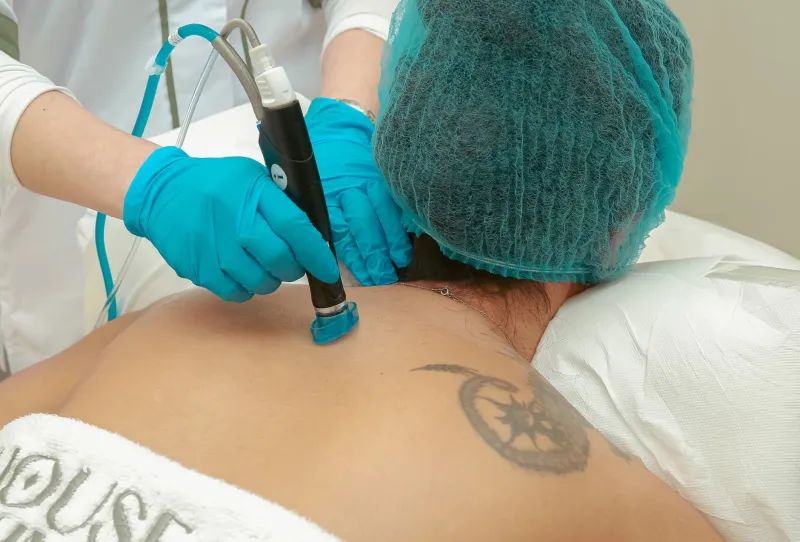
A removal consultation might cost $50 to $150. Full removal can run $1,500 to $4,000 or more depending on size, color, and number of sessions. Laser also takes time, and some tattoos never fully disappear. Removal is a legitimate option, but it is not a cheap undo button. It’s a second project with its own schedule.
Time is money, and skin needs time
A full sleeve is not one appointment. It’s many appointments, spaced weeks apart, often with a day or two of soreness and peeling. If you work with your hands, in food service, or in a job that requires lifting, you may need to schedule around healing. That can mean unpaid time off, swapped shifts, or turning down work.
Marisol says she now budgets $150 to $300 per tattoo for “recovery life”: easy meals, a rideshare home, and a day of not pretending she’s fine. “The tattoo is the fun part,” she says. “The Tuesday after is the adult part.”
How to budget without killing the fun
Pick a yearly ink number and treat it like a concert budget: when it’s gone, it’s gone. Ask artists for their hourly rate, minimum, deposit policy, and touch-up policy before you book. Bring cash for tips. Build in travel and food. Leave room for one cover-up or touch-up so you’re not derailed when it happens.
And remember that a festival sleeve is not a single purchase. It’s a collection with a maintenance plan. The people who do it well are not necessarily the richest. They’re the ones who plan for the whole show, not just the ticket.